
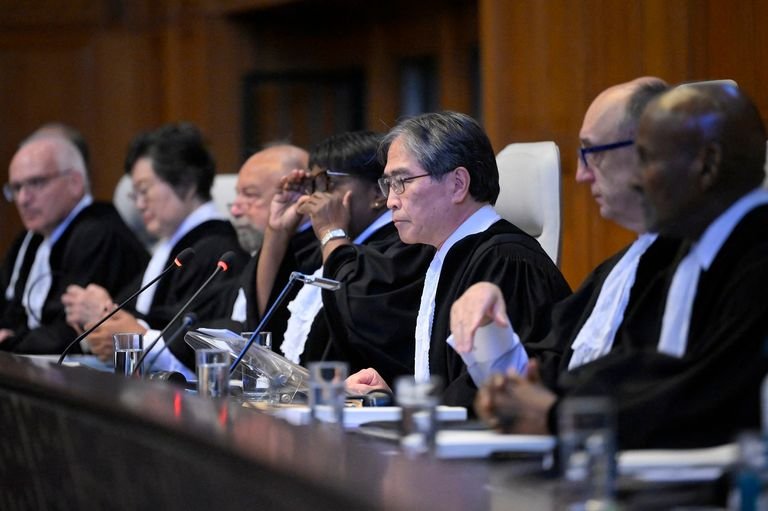
The UN Court's Decision of the Century
The International Court of Justice, the highest judicial body of the United Nations, issued a landmark ruling affirming that wealthy nations are legally obligated, under international conventions, to take effective measures to reduce greenhouse gas emissions in order to combat global warming. This decision, issued on July 23, 2025, marks a major shift in international accountability regarding climate responsibilities.
The substance of the decision
- International Cooperation and Legal Obligations: The court emphasized that “countries must cooperate to achieve concrete emission reduction targets,” and clarified that failure to do so constitutes a violation of international law.
- Corporate Liability: The court also affirmed that states are liable for the activities of companies under their jurisdiction or control with regard to their environmental impact and their contribution to climate change.
- Sanctions and Compensation: If countries fail to comply with their obligations, they may be required to pay compensation to the countries most affected by the impacts of climate change, including financial compensation, environmental remediation, and guarantees of non-repetition.
Legal Basis
The court relied on obligations set forth in several international conventions and treaties, most notably:
- The Paris Climate Agreement, which aims to limit the global temperature rise to less than 1.5 degrees Celsius.
- Other international agreements on environmental protection and human rights, recognizing a “clean and healthy environment” as a fundamental prerequisite for the enjoyment of basic human rights.
Impact and International Engagement
- Global Welcome: Many leaders of developing countries and environmental organizations welcomed the decision as a victory for climate justice, and the UN Secretary-General described this move as “a victory for our planet and for the power of young people to make a difference.”
- Practical implications: The decision could pave the way for international legal claims seeking compensation for pollution victims from major countries, and it also bolsters global efforts to impose stricter obligations on polluting nations.
The Importance of the Decision
This advisory opinion serves as a powerful legal tool for vulnerable states affected by climate change in their dealings with major polluting entities. It also underscores the importance of international cooperation and collective action in achieving a more sustainable and environmentally just future.
Summary
This resolution establishes the principle that combating climate change is not a voluntary choice for wealthy nations, but rather a legally binding obligation under the international system; and in the event of a breach, liability for compensation becomes enforceable and applies to government entities and national companies.