
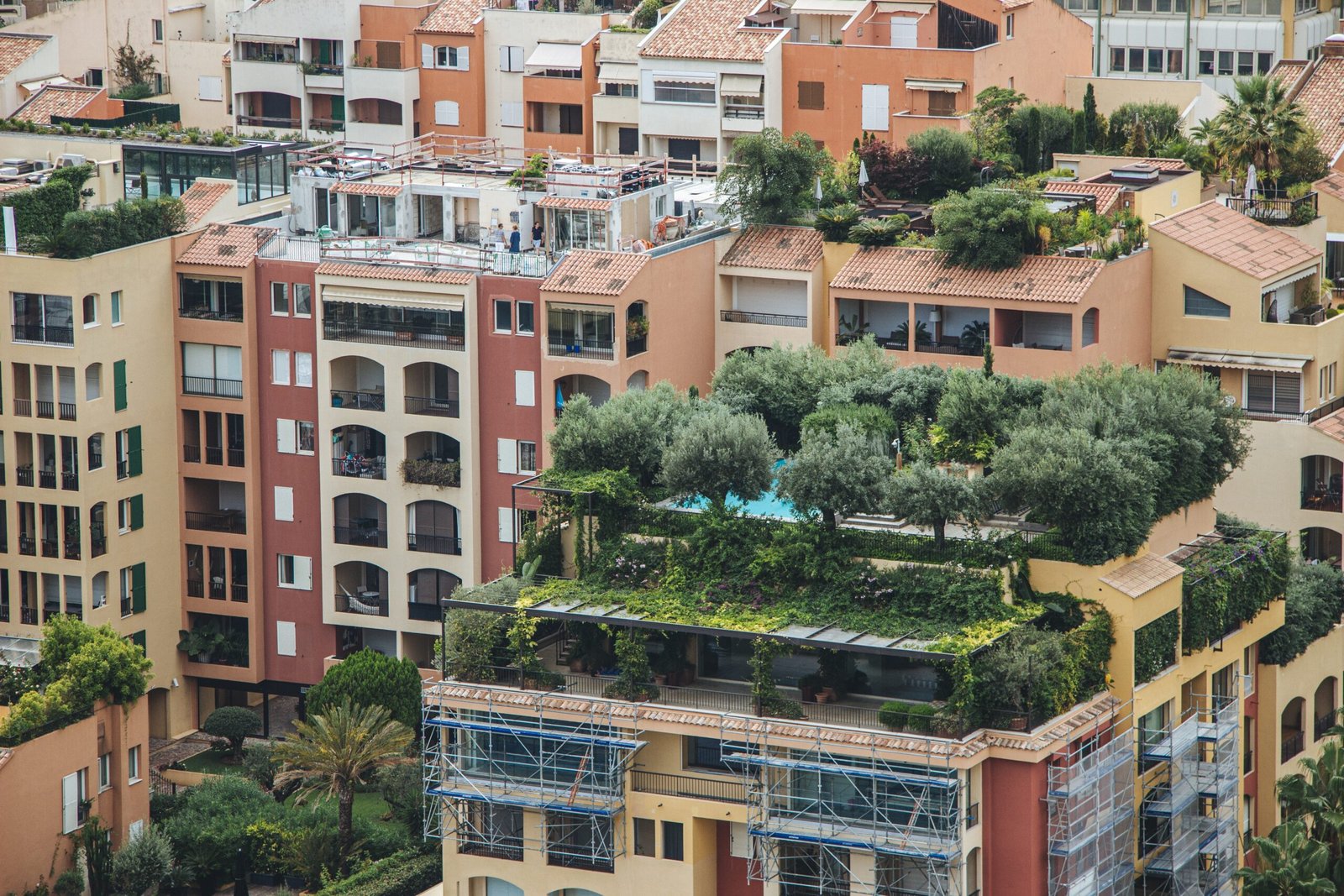
In the face of rapid urbanization and climate change, major cities around the world are seeking innovative solutions to reduce pollution, combat the urban heat island effect, and improve residents’ quality of life. Among these solutions is the development of rooftop gardens, a simple yet transformative approach that not only makes optimal use of urban spaces but also contributes significantly to the sustainability of cities and makes them more livable.
Roof gardens are a powerful tool for change
Roof gardens are not merely an aesthetic trend; they represent a strategic effort to address the environmental challenges posed by population density. These elevated green spaces help mitigate the urban heat island effect by absorbing heat and reducing temperature fluctuations. Studies have shown that green roofs can lower surface temperatures by as much as 30–40 degrees Fahrenheit (16–22 degrees Celsius), reducing the need for air conditioning and lowering overall energy consumption.
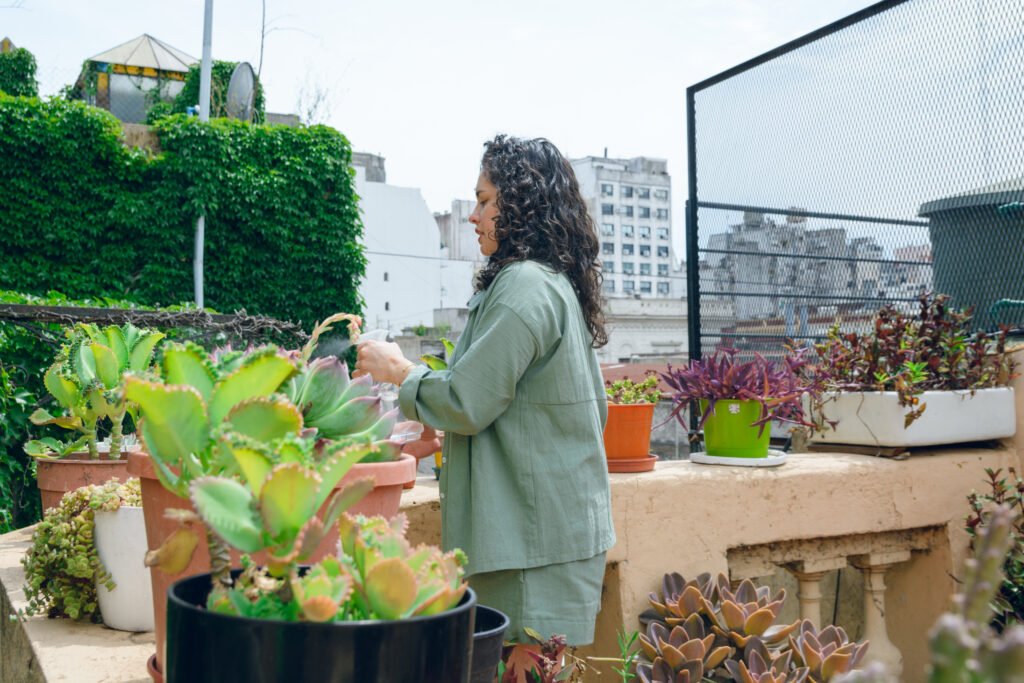
In addition to cooling the city, rooftop gardens play a vital role in purifying the air. Plants filter airborne pollutants and improve air quality, making the urban environment healthier for residents. Furthermore, these gardens contribute to carbon sequestration, helping to offset some of the emissions generated by urban activities.
A Sustainable Approach to Food and Water
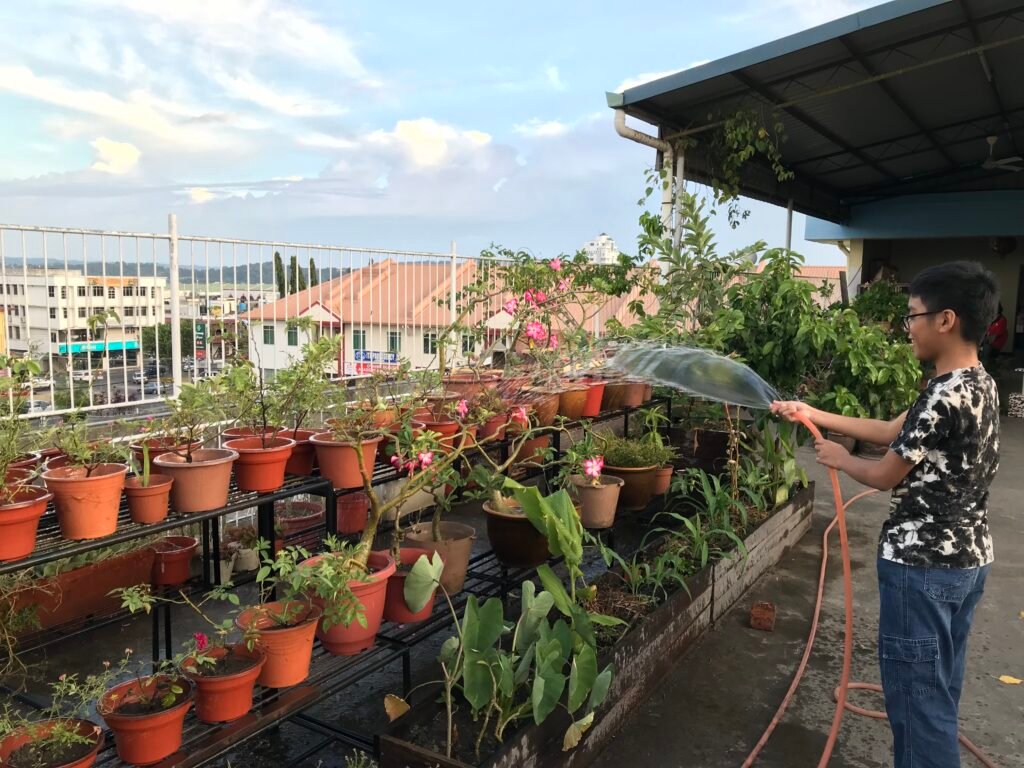
Urban rooftop farming is a growing trend that not only provides fresh produce to local communities but also reduces the environmental footprint of food production. By growing fruits, vegetables, and herbs in unused urban spaces, cities can reduce their reliance on imports, lower transportation emissions, and enhance food security.
In addition, green roofs help manage water by absorbing rainwater, reducing runoff, and preventing flooding. This is particularly important in large cities prone to heavy rainfall, where overburdened drainage systems lead to urban flooding. By implementing efficient irrigation systems, such as rainwater harvesting and drip irrigation, rooftop gardens can conserve water while effectively nourishing plants.
Promoting Mental and Social Well-being
The benefits of rooftop gardens extend beyond environmental sustainability; they also contribute to the well-being of urban residents. Studies indicate that exposure to green spaces improves mental health by reducing stress, anxiety, and depression. Community rooftop gardens also provide gathering places for people, strengthening social bonds and fostering a sense of belonging in a fast-paced urban environment.
Challenges and the Way Forward
Despite the obvious benefits, the widespread adoption of rooftop gardens faces challenges, including structural limitations of buildings, initial investment costs, and maintenance requirements. However, through supportive policies, incentives, and community engagement, cities can overcome these obstacles and promote green urban expansion as a long-term strategy.
Local governments and urban planners can encourage the creation of green roofs through tax breaks, grants, and regulations that promote sustainable design. Furthermore, collaboration between businesses, environmental organizations, and citizens can help foster a culture of green urban development.
Conclusion
Roof gardens offer a multifaceted solution to some of the most pressing urban challenges of our time. By cooling cities, improving air quality, enhancing food security, and promoting social well-being, these green spaces have the potential to reshape the future of megacities into healthier and more resilient environments. Investing in rooftop gardens is not merely about beautifying buildings; it is a crucial step toward creating cleaner, cooler, and more sustainable urban landscapes for future generations.