
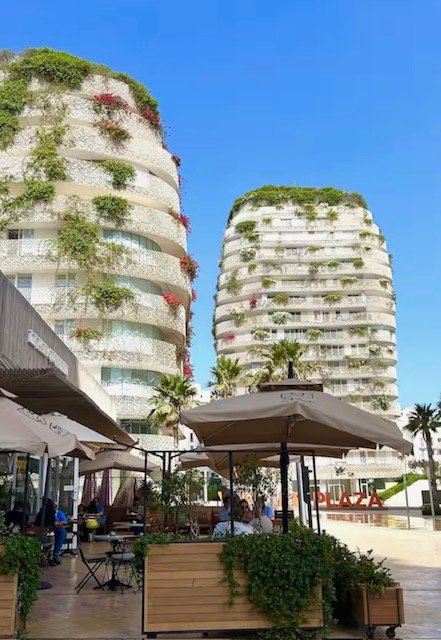
By: Dalal Farah
Can the building we live or study in determine our level of happiness? This is no longer a hypothetical question; recent studies confirm that architecture is not merely concrete and steel, but a subtle psychological system that directly influences brain chemistry and human behavior. Lighting, the spaciousness of rooms, the texture of walls, and even the choice of colors—all these elements have the power to calm the nervous system or trigger anxiety without us even realizing it.
Colors, for example, are not merely an aesthetic choice; blue and green are associated with reducing stress levels and promoting a sense of calm, while bright, saturated colors may increase feelings of pressure and claustrophobia. Windows and open spaces, meanwhile, play a crucial role in fostering a sense of control and freedom, which is essential for mental well-being.
From classrooms to hospital corridors, “environmental design” has become an integral part of psychological treatment and academic achievement. Research has shown that students in carefully designed learning environments exhibit greater concentration, less anxiety, and a better ability to learn. In hospitals, recovery times are shorter and depression is less severe when patients are surrounded by naturally lit spaces, soothing colors, and elements that mimic nature.
1. School: When Colors Become a Second Teacher:

For students, the classroom is no longer just four walls. Research has shown that designs based on:
- Natural light: It increases the release of serotonin, the “happiness hormone,” which boosts concentration by up to 20%.
- Calm colors: Replacing cold, dull colors with nature-inspired hues reduces tension and bullying among students.
- Open Spaces: Creating cozy corners within schools gives students a sense of safety and freedom, transforming the school from a “voluntary prison” into an environment that fosters creativity.
2. Hospitals: “Healing Design”
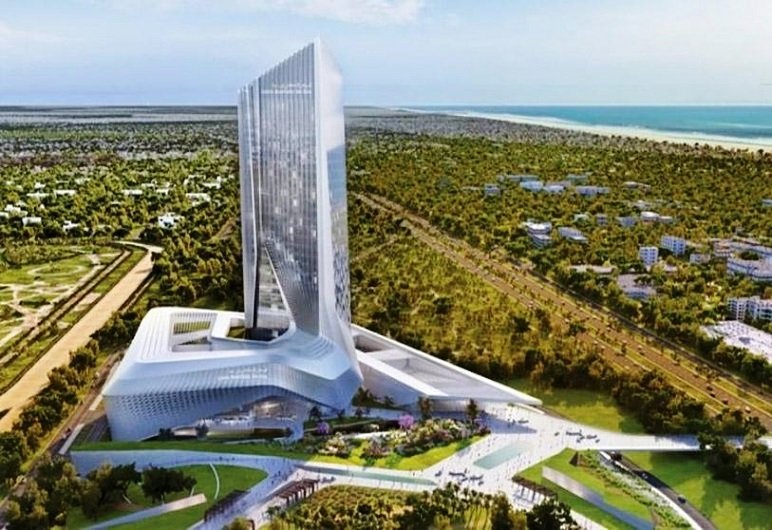
In hospitals, design is no longer a luxury; it is “silent medicine.” In the past, cold, white hallways increased patients’ anxiety, but today “healing design” relies on:
- A View of Nature: Patients whose rooms overlook green spaces recover 30% faster than others.
- Noise reduction: The use of sound-absorbing materials reduces anxiety episodes and sleep disturbances in patients.
- Privacy and Control: Giving patients the ability to control the lighting and temperature in their rooms reduces their sense of helplessness and dependence on their illness
3. Residential Neighborhoods: The Architecture of Social Well-being
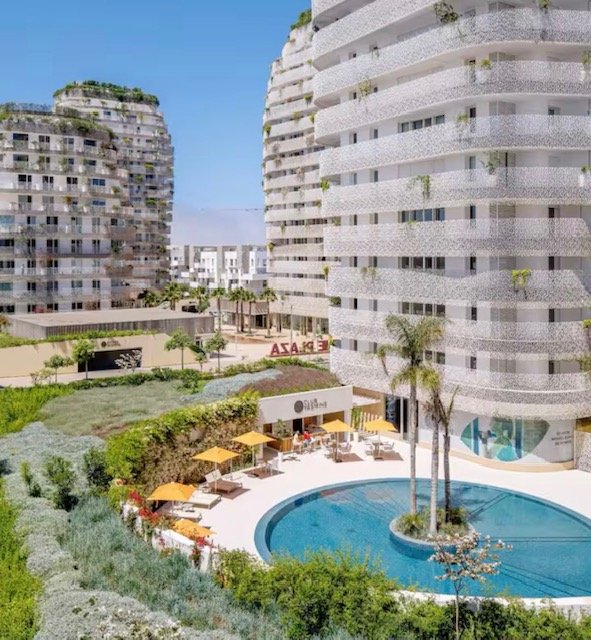
At the neighborhood level, urban design helps mitigate “urban depression” by:
- Shared spaces: Designing areas for walking and sitting that foster social connections and combat isolation, the leading cause of depression in urban areas.
- Landscape Design: The presence of trees and fountains in residential neighborhoods reduces residents’ levels of cortisol (the stress hormone).
- Visual safety: Good lighting and designs that allow for clear visibility give residents a sense of security and reduce crime rates.
Environmental design experts say: “We shape our buildings, and thereafter our buildings shape us.” Investing in “human-centered” design is not a waste of money; rather, it is a long-term investment in reducing healthcare costs and increasing societal productivity. Improving mental health through design requires awareness on the part of engineers and decision-makers. The issue is no longer just about aesthetics, but about the human right to live in an environment that does not burden the soul, but rather gives it hope and comfort. Scientists today also believe that exposure to green spaces is no less important than taking essential vitamins for physical health.
This is how walls transform from silent boundaries into partners in shaping our mood, and architecture becomes an unspoken language that speaks to both the mind and the heart. The place where we live not only contains our lives, but actively shapes how we feel about them.