
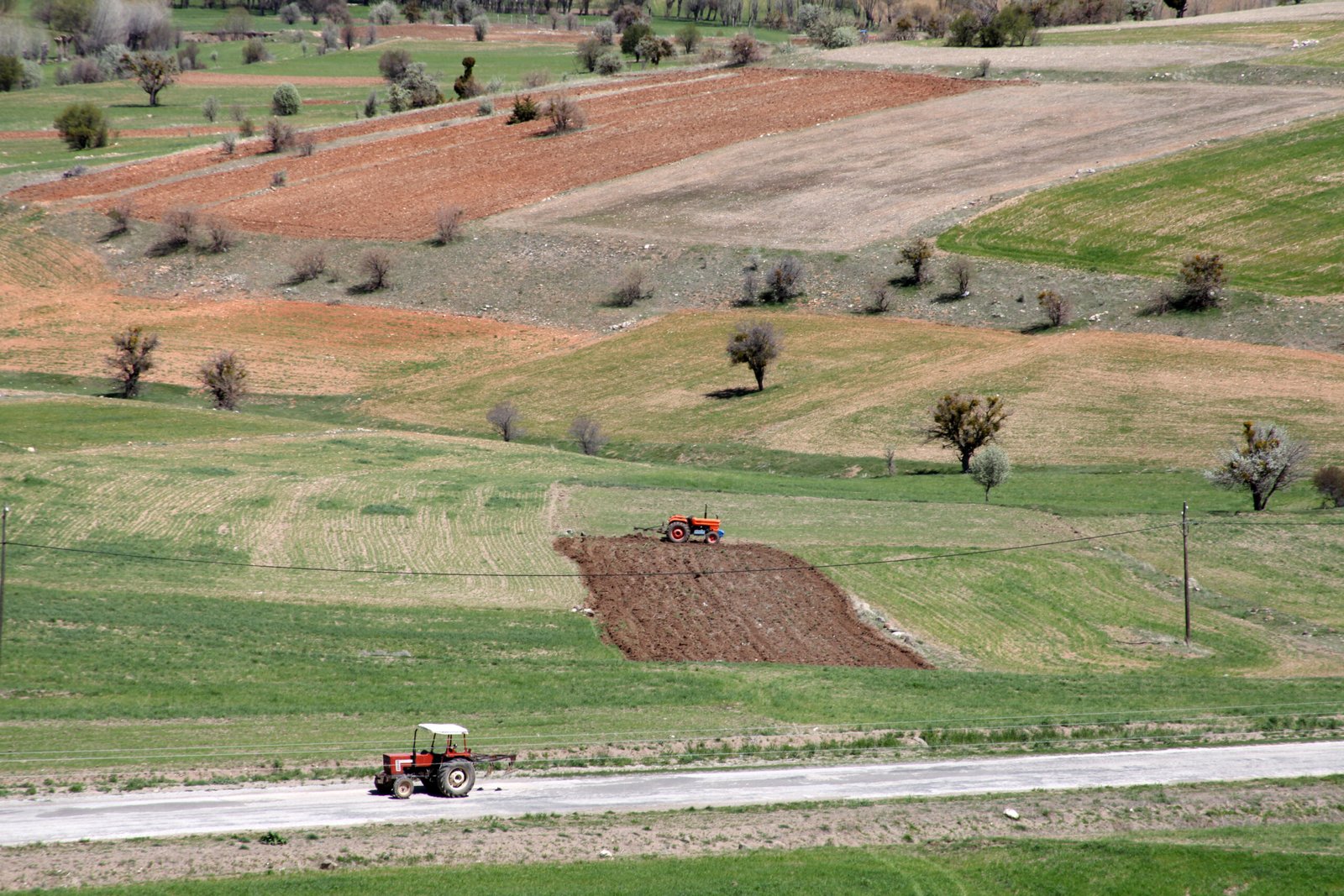
Climate change is having a significant impact on Morocco’s agricultural sector, where farmers face growing challenges due to rising temperatures and declining rainfall, leading to increased drought and water scarcity.
Key impacts:
- Decreased rainfall: Rainfall has decreased significantly, reducing the availability of water needed for irrigation and negatively affecting crop production, particularly for grains such as wheat and barley, which rely primarily on rainfall.
- Rising temperatures: High temperatures cause large amounts of water to evaporate, which reduces the amount of water available for irrigation, affects the quality of agricultural crops, and increases the need for advanced irrigation technologies to conserve water.
- Recurrence of severe natural phenomena: such as recurring droughts, which have become more frequent, with drought periods shifting from once every five years to once every three years, threatening the stability of agricultural production and increasing uncertainty regarding growing seasons.
- Dwindling Water Resources: Morocco is facing a severe water crisis, with per capita renewable water resources having fallen to less than 650 cubic meters per year; this figure is expected to drop below 500 cubic meters by 2030, placing significant pressure on the agricultural sector.
Social and economic impacts:
- Declining crop yields threaten food security and place increased pressure on rural households that rely on agriculture as their primary source of income.
- The impact on the social and economic fabric of rural areas, coupled with an increase in farmers’ vulnerability to climate change.
Adaptation and mitigation efforts:
- Developing improved irrigation techniques, such as drip irrigation, to conserve water.
- Encourage the cultivation of plant varieties that are more drought-tolerant and require less water.
- Expanding areas planted with fruit trees, which help absorb carbon and enhance biodiversity.
- The use of renewable energy in the agricultural sector to promote sustainability.
- Supporting agricultural insurance programs and promoting organic farming and soil conservation techniques.
Summary
Climate change poses a direct threat to Morocco’s agricultural sector through rising temperatures, reduced rainfall, and increasing drought, leading to water scarcity and negatively impacting crop production and food security. Morocco is working to adopt integrated national strategies to adapt to these challenges by improving water resource management, developing sustainable agricultural techniques, and enhancing the resilience of agriculture to face a challenging climate future.