
The Impact of Climate Change on Animals
Climate change threatens biodiversity
Humans are not the only beings affected by the global climate crisis. Animals and natural habitats around the world are facing profound—and sometimes catastrophic—changes. Rising temperatures can lead to the collapse of fragile ecosystems and the extinction of many species. The choices we make today have the power to reduce the suffering of people and animals in the future.
The Earth is now about 1.1 degrees Celsius warmer than it was in the 19th century. Based on current projections, global temperatures are expected to rise by 2.7 degrees Celsius by the end of this century. It is impossible to predict exactly how long-term changes in temperature and weather patterns will affect fragile and deeply interconnected ecosystems. Changes in one region affect others, and animals will feel these impacts. Some of the greatest threats to wildlife due to climate change include:
Loss of natural citizenship
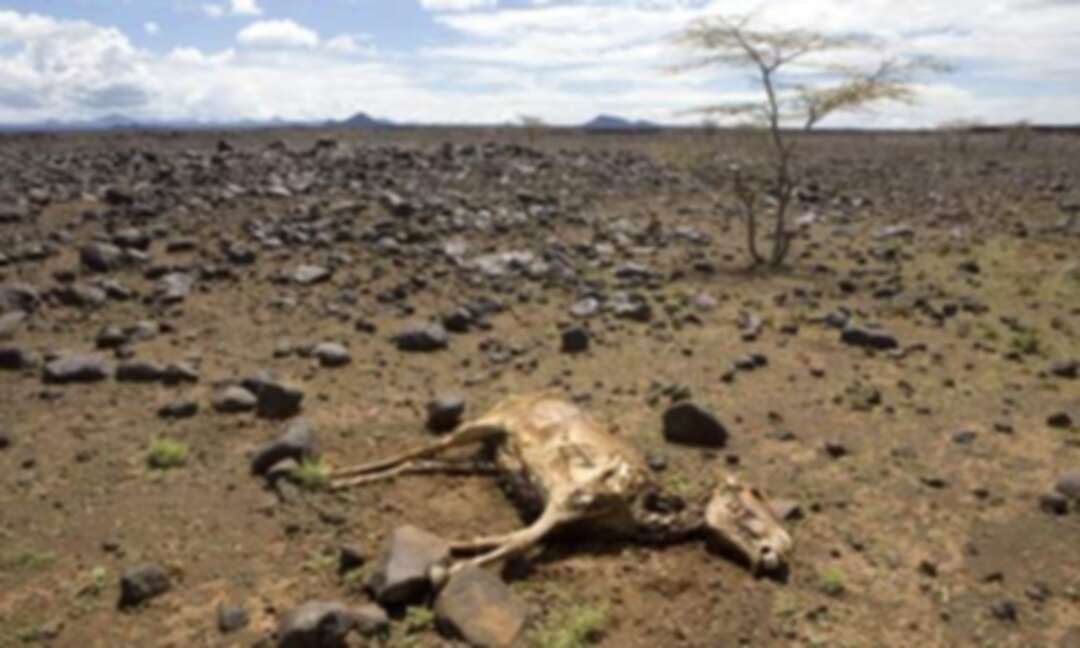
Rising temperatures affect plants, food sources, access to water, and much more. Ecosystems may become uninhabitable for some animals, forcing wildlife to migrate beyond their usual ranges in search of food and suitable living conditions, while leading to the extinction of other species.
For example, if the loss and fragmentation of habitats continue due to human development and global warming, combined with deaths caused by poaching, we could lose Africa’s elephants within the next 40 years.
Natural disasters
We are now seeing a fivefold increase in climate- and weather-related natural disasters—such as droughts, wildfires, and hurricanes—compared to fifty years ago. These disasters result in catastrophic loss of life and the natural habitats of people, domestic animals, and wildlife.
For example, the forest fires in Australia during the 2019–2020 “Black Summer” season burned 186,000 square kilometers and killed or displaced approximately three billion animals, including koalas, kangaroos, and others.
The Conflict Between Humans and Wildlife
Climate change exacerbates human-wildlife conflict through habitat loss and extreme weather events, forcing people and wildlife to coexist in increasingly crowded spaces. As ecosystems change, people and animals roam in search of food, water, and resources. Conflict between humans and wildlife often has a devastating impact on the affected animals.
For example, jaguars sometimes prey on domestic animals and destroy people’s livelihoods, leading to retaliatory killings that contribute to a decline in the jaguar population.
Extinction
This set of challenges could lead to the extinction of many animals. The world’s most vulnerable animals, including those on the brink of extinction, will likely face the greatest threats.
For example, the North Atlantic right whale is facing extinction, with only about 336 individuals remaining—the lowest number in 20 years. Ocean warming, combined with the inability to reduce conflicts with humans (ship strikes and entanglement in fishing gear), could drive this species to extinction.
Animals and Habitats: Our Allies in the Fight Against Climate Change
Fortunately, we have a powerful ally in the fight against climate change: animals and the ecosystems they inhabit. The United Nations estimates that healthy ecosystems could account for 37% of the carbon reductions needed to limit global temperature rise.
Healthy ecosystems rich in plants and trees absorb carbon from the atmosphere and store it. Therefore, conserving or restoring nature is a powerful tool in the race to halt climate change. Healthy ecosystems filter water, mitigate flooding, reduce the impact of disasters, improve soil health, and support rich biodiversity. Keystone species and most animals play vital, often unseen, roles in securing biodiversity and maintaining natural habitats.
Examples of the role animals play in supporting ecosystems
For example, whales play a major role in supporting healthy marine ecosystems. Whale feces provide nutrients to phytoplankton. Like plants, phytoplankton capture large amounts of carbon dioxide and convert it into energy, thereby removing carbon from the atmosphere. When phytoplankton is eaten by other marine animals, such as whales, the carbon continues to move through the food web, remaining out of the atmosphere and not contributing to global warming.
Elephants play important roles in shaping healthy ecosystems that absorb carbon dioxide and keep it out of the atmosphere. Elephants disperse seeds, enrich the soil, dig waterholes, create pathways for other animals, and clear space that encourages the growth of new plants.
Pangolins eat termites and ants, which helps keep their populations in check, and they dig burrows that other animals use; both of these activities are essential to the ecosystems in which they live.
The Role of Animals in Preserving Biodiversity
Many other animals play equally important roles in the ecosystems where they live. By preserving biodiversity and supporting healthy ecosystems, we can mitigate the effects of climate change and protect our planet for future generations.