
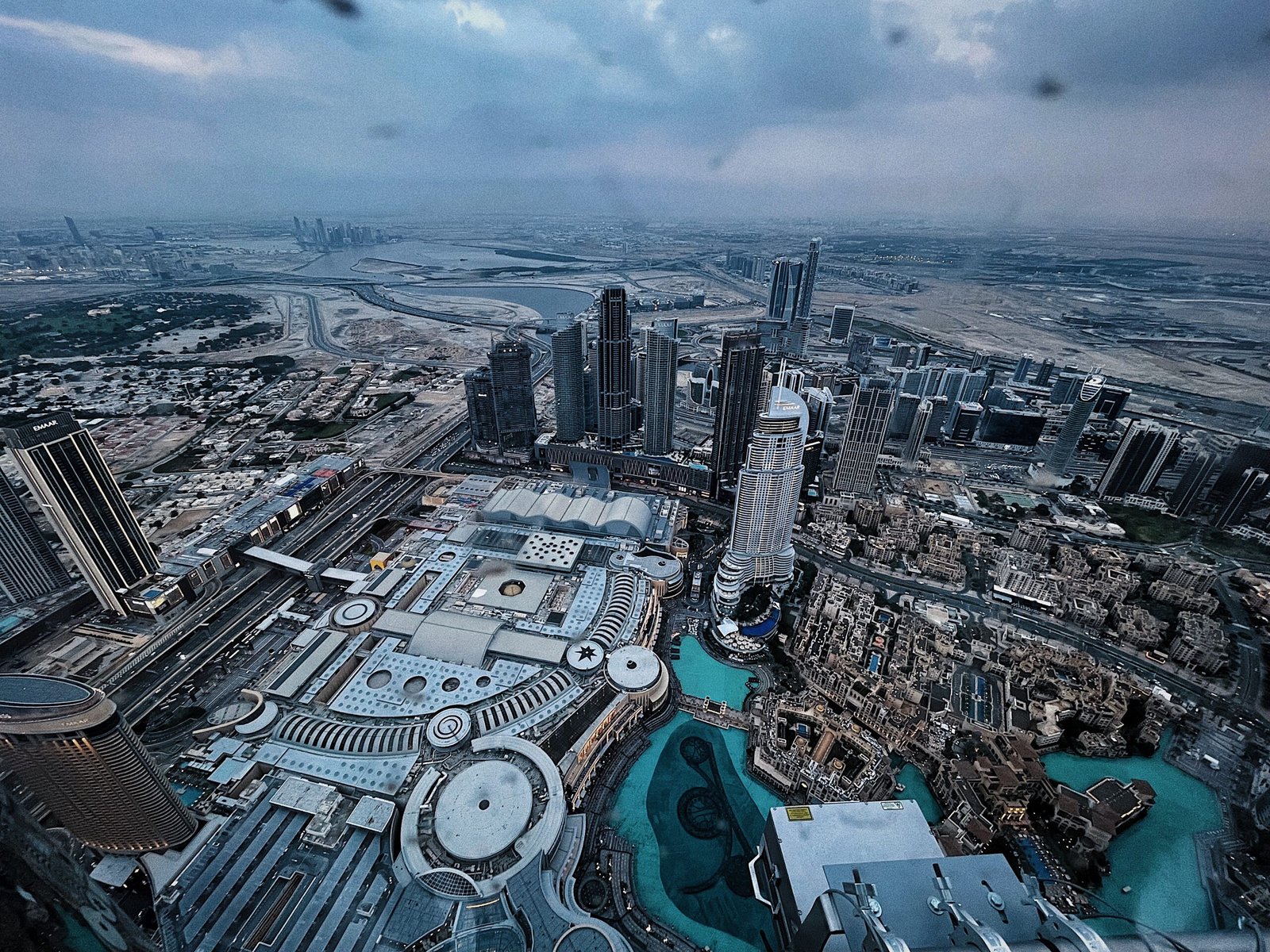
The government is trying to improve its water security and increase rainfall as the cost of desalination rises
Al-Mandos noted that the effectiveness of cloud seeding—which currently relies on the use of salt flares (devices containing salt-based chemicals) mounted on aircraft to increase rainfall—could be tripled through the use of nanotechnology and increased ninefold through the use of electrical pulses. The National Meteorological Center is conducting experiments on both technologies.
"If these technologies prove successful, we can implement them," Al-Mandoos said in an interview conducted in Abu Dhabi on Tuesday.
However, he noted that infrastructure improvements will be necessary to capture the additional rainfall, as the UAE government is working on a plan that may include upgrading existing dams and reservoirs or building new ones. This is especially true after the floods thatparalyzed Dubailast year highlighted the country’s infrastructure’s inability to cope with heavy rainfall.
There are also environmental concerns regarding the impact of salt particles and flares installed on aircraft. Al-Mandoos explained that the National Center of Meteorology regularly tests soil samples across the UAE to determine the salt content resulting from cloud seeding.