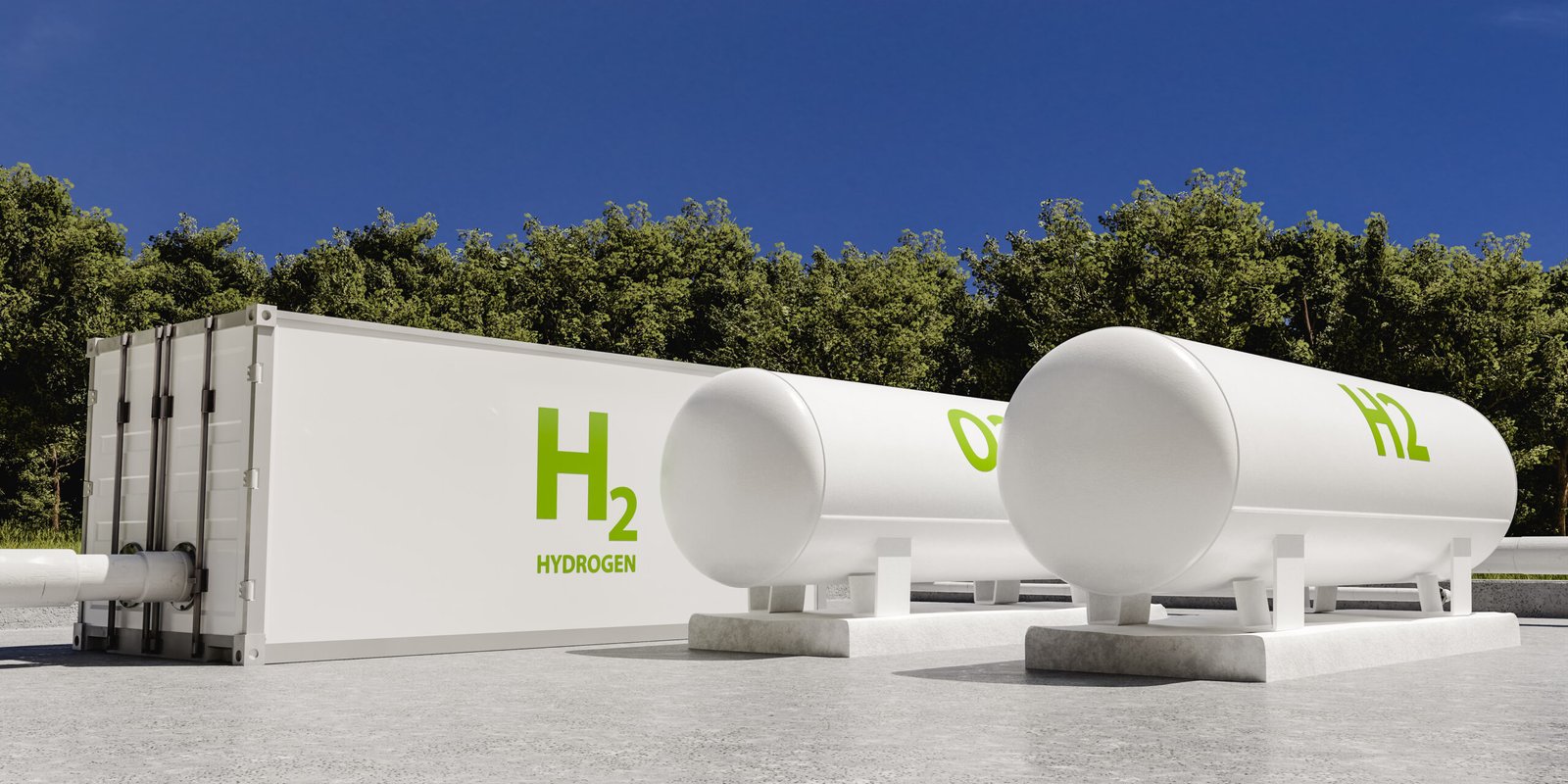
Saudi Arabia and Germany have signed the “Saudi-German Green Hydrogen Bridge” agreement, with the aim of producing and exporting green hydrogen and green ammonia from the Kingdom to Europe.
Under the memorandum of understanding signed between Saudi Arabia’s “ACWA Power” and Germany’s “SEFI,” the initial export target has been set at 200,000 tons of green hydrogen per year by 2030, according to the Saudi Press Agency.
Under the terms of the memorandum, ACWA Power will serve as the developer, investor, and primary operator of green hydrogen and green ammonia production assets, while CEVI will act as a co-investor and primary purchaser, taking on the task of marketing green hydrogen to its customers in Germany and Europe.
This memorandum comes as the Kingdom prepares to invest billions of dollars in hydrogen projects over the next few years, as part of its plans to become one of the world’s largest hydrogen producers, while seeking to reduce its reliance on oil sales and remain a global energy supplier.
Last October, Bloomberg reported that the Public Investment Fund had established a company called Energy Solutions Co. to finance green hydrogen production, with plans to invest at least $10 billion. That figure could rise significantly in the coming years depending on demand for hydrogen and the fund’s investment strategy.
Green hydrogen
Green hydrogen is produced by using wind and solar energy to split water molecules. This type of fuel is seen as crucial to the transition to clean energy in the coming decades, and it is an attractive solution for countries seeking to reduce emissions from energy-intensive industries that cannot easily be powered by electricity, such as the metals and aviation sectors.
Saudi Arabia is home to the “Neom Green Hydrogen” project, one of the few large-scale green hydrogen projects in the world that has already begun construction.
According to the company’s website, the world’s largest green hydrogen production facility aims to produce up to 600 tons of carbon-free hydrogen per day by the end of 2026. The total investment in the project amounts to $8.4 billion. The company has received significant support from the Saudi government and was the first Saudi company to obtain an industrial license for green hydrogen production.
Last December, Saudi Minister of Industry and Mineral Resources Bandar Al-Khorayef noted that the project currently underway will contribute to meeting approximately 10% of the global target for carbon-free hydrogen production.